Dimcho Debelyanov

(28.03.1887 – 02.10.1916) 29 August is a true celebration for the Cyrillic Court. A poet whose verses have moved generations of Bulgarians takes his place in the Writers’ Alley. The monument to Dimcho Debelyanov was unveiled in person by the Prime Minister of the Republic of Bulgaria, Nikolay Denkov. Together with Kunka Nedelcheva, Director of […]
Dashdorjiin Natsagdorj

(17.11.1906 – 13.07.1937) On 25 August 2022, the Writers’ Alley at the Cyrillic Court came alive with guests who had gathered for the unveiling of its 49th bust monument dedicated to a writer. It honours one of the founders of modern Mongolian literature, Dashdorjiin Natsagdorj. Her Excellency Lkhagvasuren Sayanaa, Ambassador of the Republic of Mongolia […]
Chokan Valikhanov (Шоқан Шыңғысұлы Уәлихан)
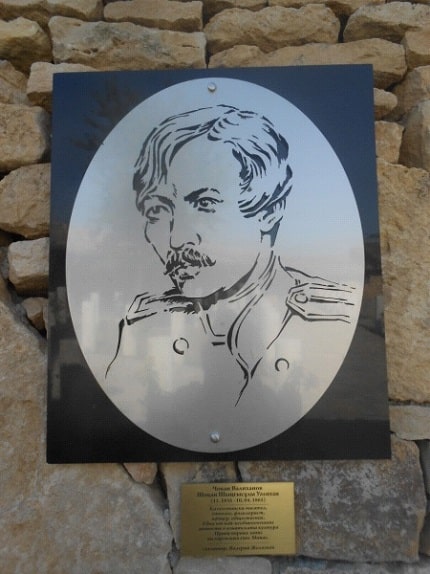
(11.1835 – 10.4.1865) Chokan was the nickname given in childhood by his mother to Muhammad-Qanafiya, the great-grandson of the renowned Ablai Khan, and it remained the name by which he became known. Chokan means “a gnarled piece of wood” or “a blow with the fist”, and the little boy lived up to the name – […]
Pureviin Khorloo (Пүрэвийн Хорлоо)
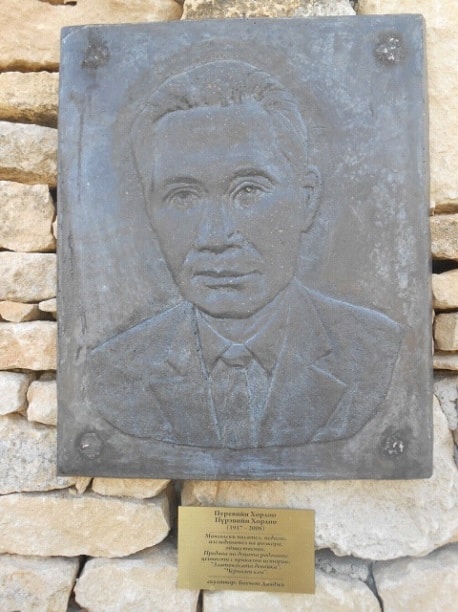
(1917 – 2008) With his life spanning almost an entire century, the Mongolian educator and writer became a living chronicle of the development of education and literature in Mongolia. As a young teacher in 1935, he helped establish 50 schools for children in the Khovd region, taught language and literature, researched Mongolian folk songs, and […]
Grigore Vieru
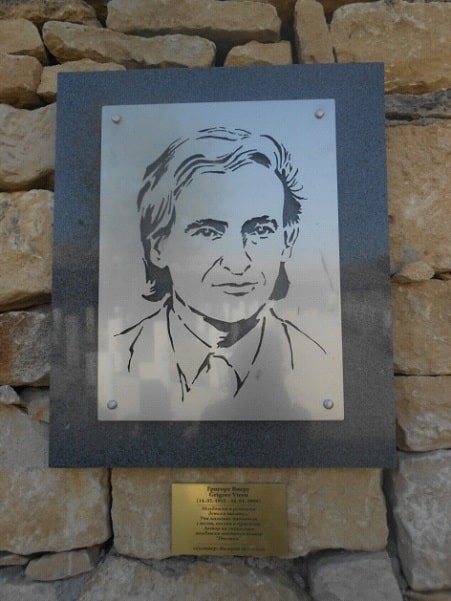
(14.2.1935 – 18.1.2009) While still a student at the Chișinău Pedagogical Institute, the 22-year-old Vieru published his first book for children, Alarm, through which he discovered his vocation – to teach children through poetry, songs and fairy tales. Yet the title of his collection Thank You for the World reveals that his greatest teachers were, […]
Constantin Negruzzi

(1803 – 24.8.1868) The creative path of this classic figure of Moldavian and Romanian literature was shaped by a significant encounter while he was still very young. Between 1821 and 1823, he frequently visited Chișinău, where he met the exiled Alexander Pushkin. Negruzzi began his literary career by translating Pushkin’s works, admiring and learning from […]
Yanka Maur – (Іва́н Міха́йлавіч Фёдараў)

(11.5.1883 – 3.8.1971) For the founder of Belarusian literature for children and young adults, establishing himself as a writer during the Soviet era was far from easy. The rebellious Yanka was expelled from the teachers’ seminary for “freethinking and questioning religion”, but he did not abandon his beliefs. He succeeded not only in establishing himself […]
Natalia Zabila (Забіла Наталя Львівна)
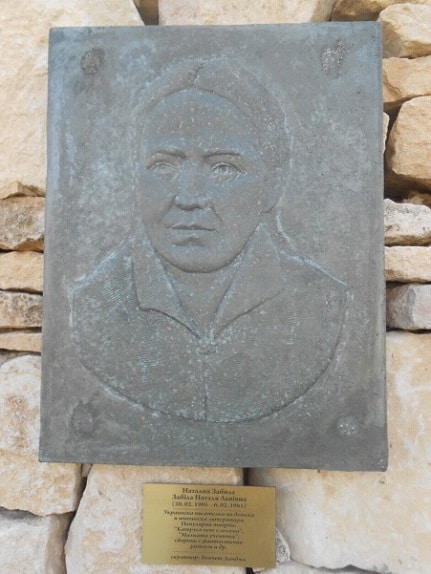
(20.02.1905 – 6.02.1985) The portrait of the Ukrainian children’s writer, born in St Petersburg, reveals her very nature – gentle, motherly, caring and sensitive. The same qualities can be found throughout her writing. This is hardly surprising. A descendant of the Romantic poet Viktor Zabila and the sculptor Parmen Zabella, Natalia grew up in a […]
Jovan Jovanović Zmaj (Јован Јовановић Змај)
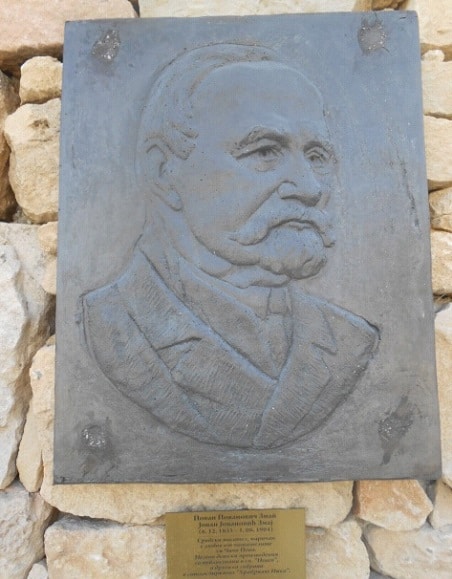
(06.12.1883 – 01.06.1904) Serbian readers affectionately call their beloved writer Čika Jova (Uncle Jova). This familiar way of addressing Jovan Jovanović Zmaj reflects the warmth and natural humanity of his writing, which is close to the heart and soul of every Serb. His work is filled with patriotism, social engagement and intimate emotion, but also […]
Agnia Barto (Agnia Lvovna Barto)
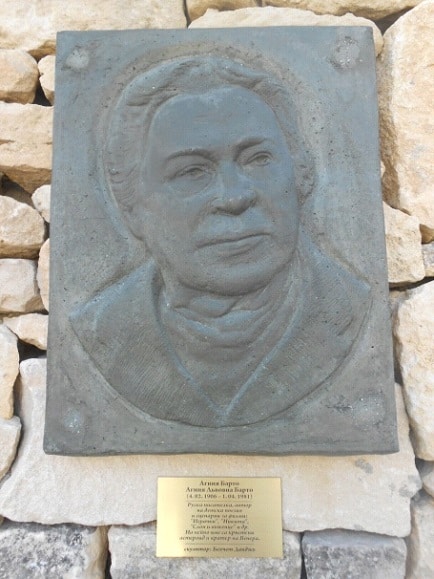
(4.02.1906 – 1.04.1981) One of the finest women writers in Russian children’s literature was actually preparing for a career as a ballerina. Her father, however, taught her to read using Tolstoy’s books for children, and Agnia began writing poetry at a very early age. At a concert marking her graduation from school, the 17-year-old girl […]