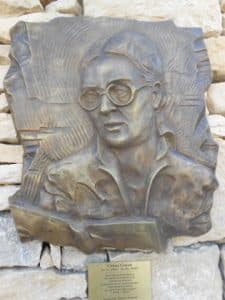
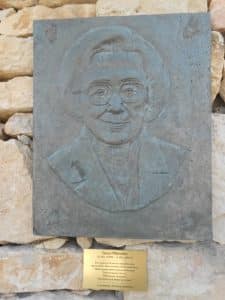
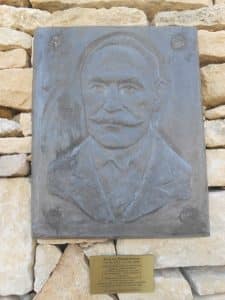
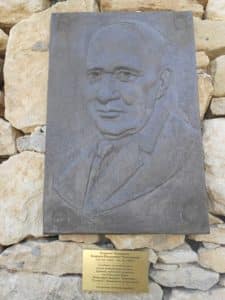
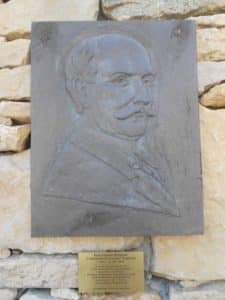
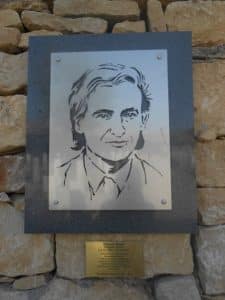
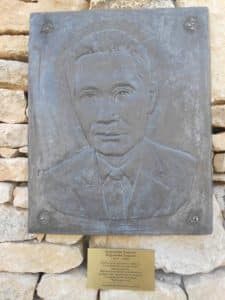
(1803 – 24.8.1868)

The creative path of this classic figure of Moldavian and Romanian literature was shaped by a significant encounter while he was still very young. Between 1821 and 1823, he frequently visited Chișinău, where he met the exiled Alexander Pushkin. Negruzzi began his literary career by translating Pushkin’s works, admiring and learning from the great Russian poet in the process. At around the same time, he made his first attempts at creative writing (My Bessarabian Amusements).
Although he did not participate directly in the revolutionary movements leading up to 1848, Negruzzi used his articles and the power of the written word (Vandalism) to advocate democratic change and defend national culture. His Romantic novellas Zoe (1837) and A Leap (1840), his historical portrait of the 16th-century Moldavian prince Alexandru Lăpușneanu, and his collections of folk poetry established him as one of the most significant writers not only of his own time.
Shortly before his death, he was elected a member of the Romanian Academy.
The bas-relief was created by Behchet Danadzhy.