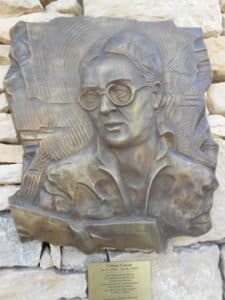
(11.1835 – 10.4.1865)
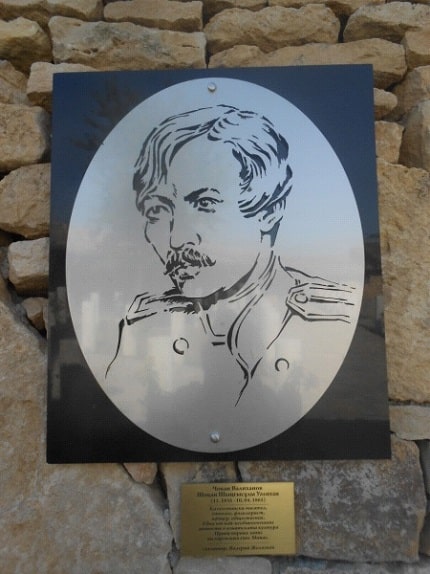
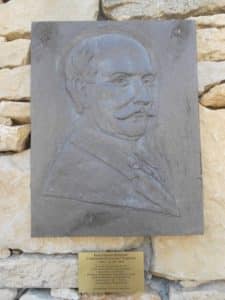
Chokan was the nickname given in childhood by his mother to Muhammad-Qanafiya, the great-grandson of the renowned Ablai Khan, and it remained the name by which he became known. Chokan means “a gnarled piece of wood” or “a blow with the fist”, and the little boy lived up to the name – strong-willed, spirited and inquisitive, with a keen sense of justice.
As the son of the senior sultan of the Aman-Karagai district in the Omsk region, Chokan received an excellent education. He knew Arabic and Persian and met poets, singers and artists who inspired in him a love of folklore and the arts. He drew, studied music and read extensively. While studying at the Omsk Cadet Corps, Chokan learned French, German and Russian and became acquainted with the works of many prominent scholars through the library of his history teacher, Gonsovsky.
His thirst for knowledge about the wider world gave rise to a passion for travel. Later, as an officer in the Imperial Russian Army, he travelled through the Kyrgyz lands, collected their legends and made the first written record of the story of the great hero Manas (The Epic of Manas).
His scientific, ethnographic and literary works were eventually collected in five substantial volumes. Long journeys and intensive work took a heavy toll on the young man’s health. When he died, the great Russian scholar Veselovsky said: “In less than thirty years, he accomplished more than others do in an entire lifetime.”
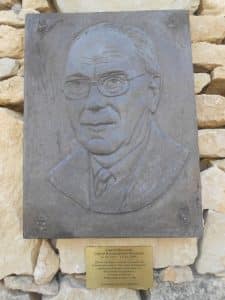
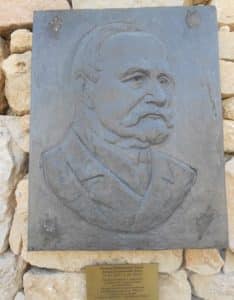
The bas-relief was created by Valeri Zhelyazkov.